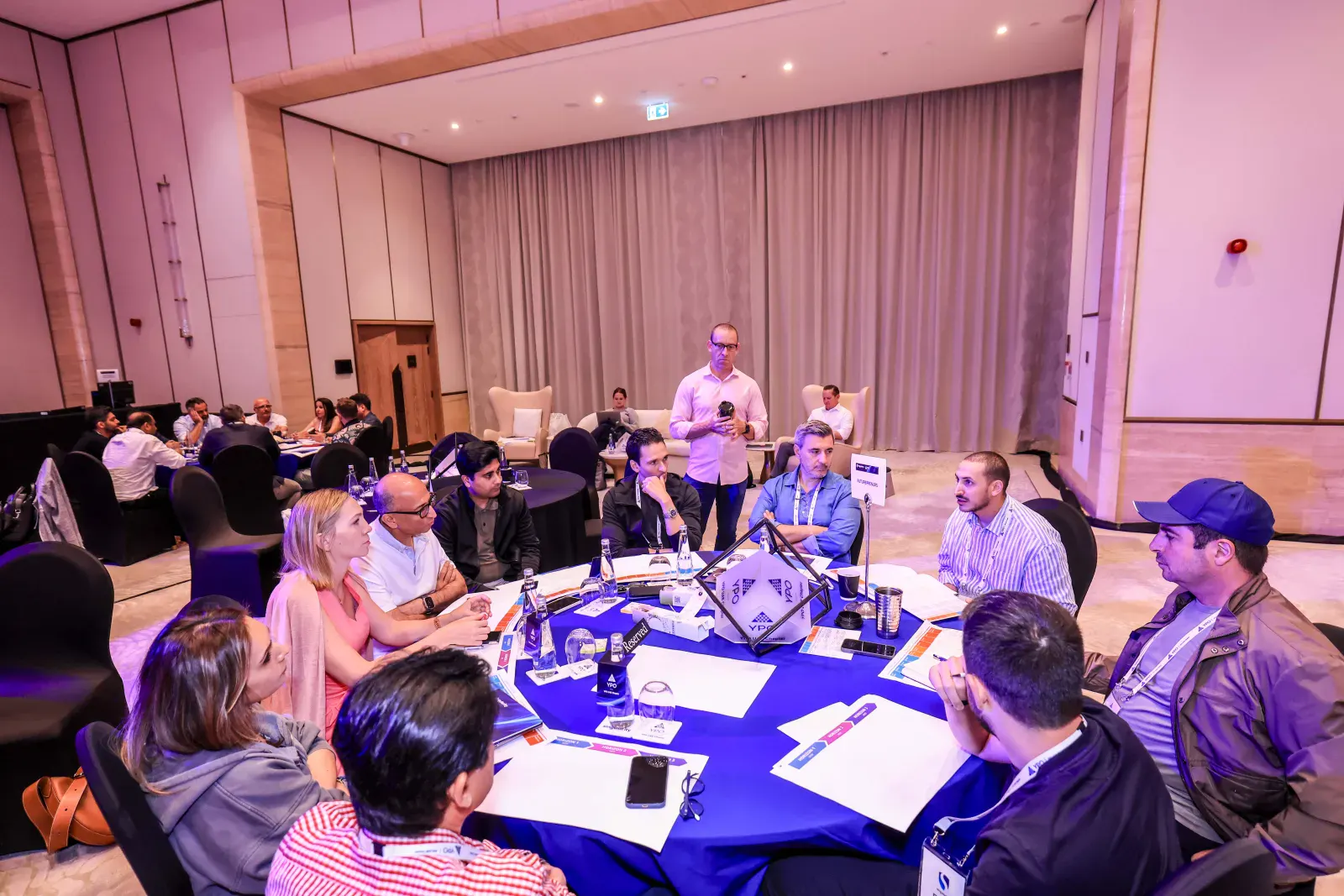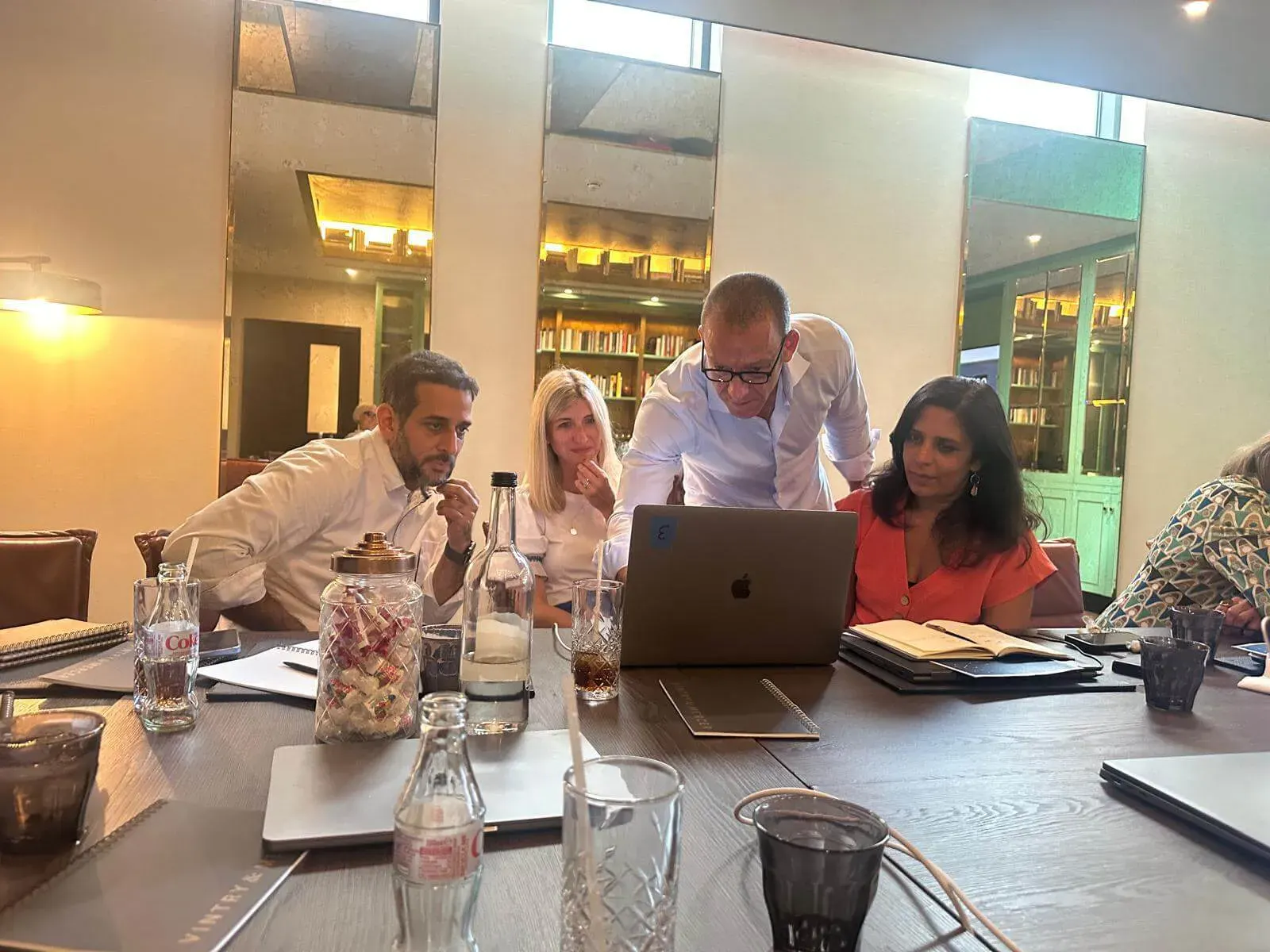
Phase 01 · Pre-engagement
Workflow Audit
We captured how the team spent its time and mapped that against their actual responsibilities: seven focus areas where AI could help, with a clear picture of how each one was being handled today.
A Top-10 Pharma's Market Insights team wanted to use GenAI but didn't have the confidence to apply it to real work. Four months later, every analyst on the team was using it every day. Here's what we did with them: the audit we ran, the tools we picked, and how we trained the team.
This team works on early-stage pharma market research. When they get a call wrong, the company can either
miss a future blockbuster or spend years and millions chasing a molecule that goes nowhere.
That's the kind of work we trained them to use GenAI for.
The Portfolio & Pipeline Strategy Group's Market Insights team does early-stage market research and sizes the commercial opportunity for new molecules. The cost of getting these calls wrong is significant in both directions.
If the team writes off a molecule that turns out to be the next billion-dollar drug, the company misses it.
If the team backs a molecule with no commercial path, the company spends years and millions on something that won't pay off.
GenAI could clearly help with this kind of work, and the team already had access to the tools. What they didn't have was the confidence or the practical skill to use those tools on work this important.
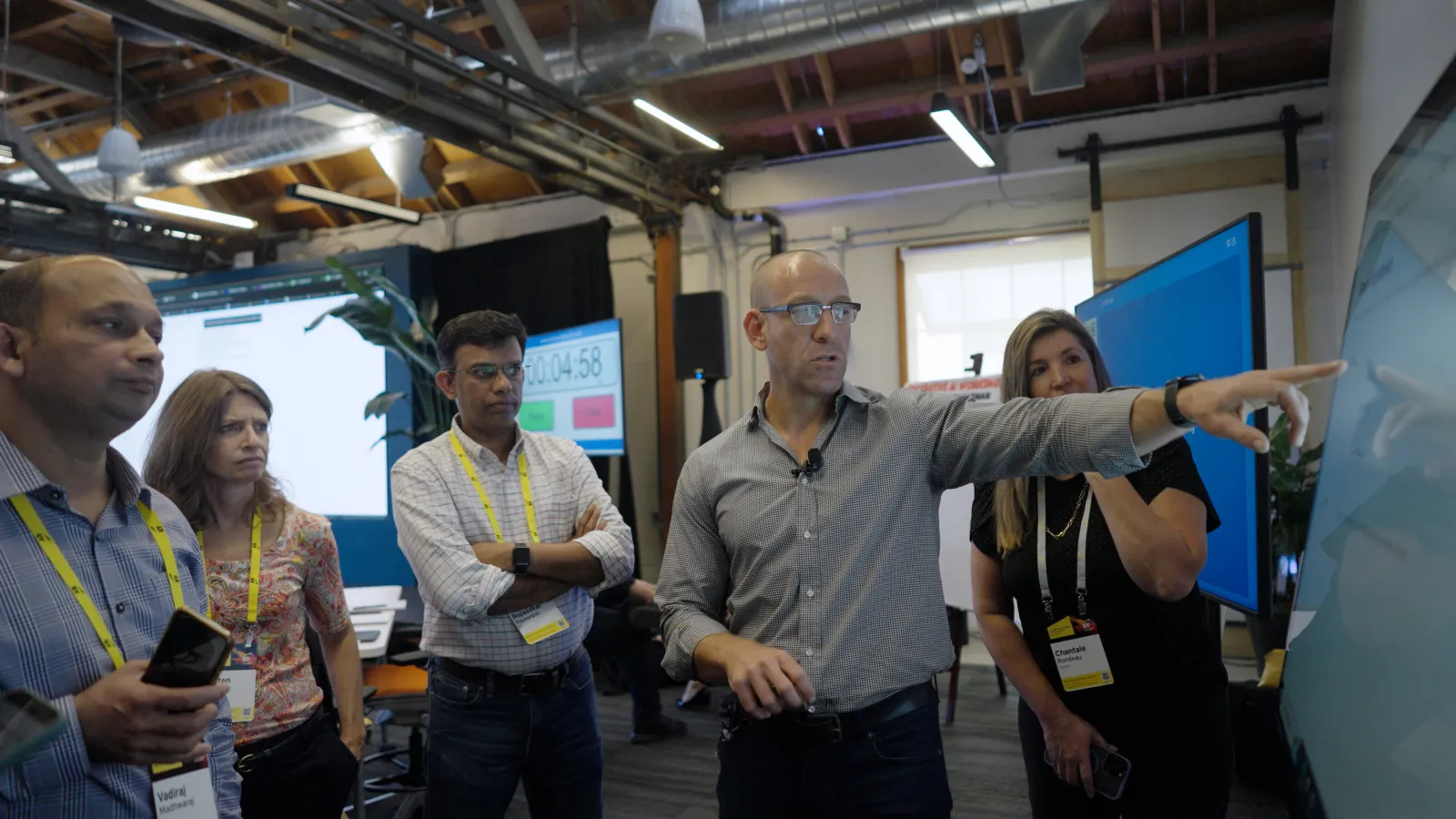
We used a method called See–Do–Teach, which comes from how doctors are trained. The reasoning is simple: a smart person who has read about a procedure can still freeze when it's time to do it for real. They need to watch it done, do it themselves with guidance, and then explain it to someone else before it really becomes second nature.
We show the team real GenAI use cases, live, using their actual research questions. No toy examples.
The analysts try GenAI on their own work in the room: molecule sizing, competitive intelligence, source triangulation. We coach them while they do it.
Team members teach what they just learned to their peers. This is how internal champions emerge and how adoption continues after we leave.
The point is that hands-on practice is what changes how people work. Slide decks about AI don't.
We captured how the team spent its time and mapped that against their actual responsibilities: seven focus areas where AI could help, with a clear picture of how each one was being handled today.
A live demo of four off-the-shelf GenAI tools, each matched to a specific pain point from the audit: a tool for search and citations, one for web-grounded research, a general-purpose LLM, and a model better suited to creative and narrative work.
We then walked through the company's licensed internal tools (AlphaSense, GiGi, Jules) for internal research, meeting summaries, and governance prep. These cover cases where off-the-shelf models aren't appropriate, usually for governance or data-access reasons.
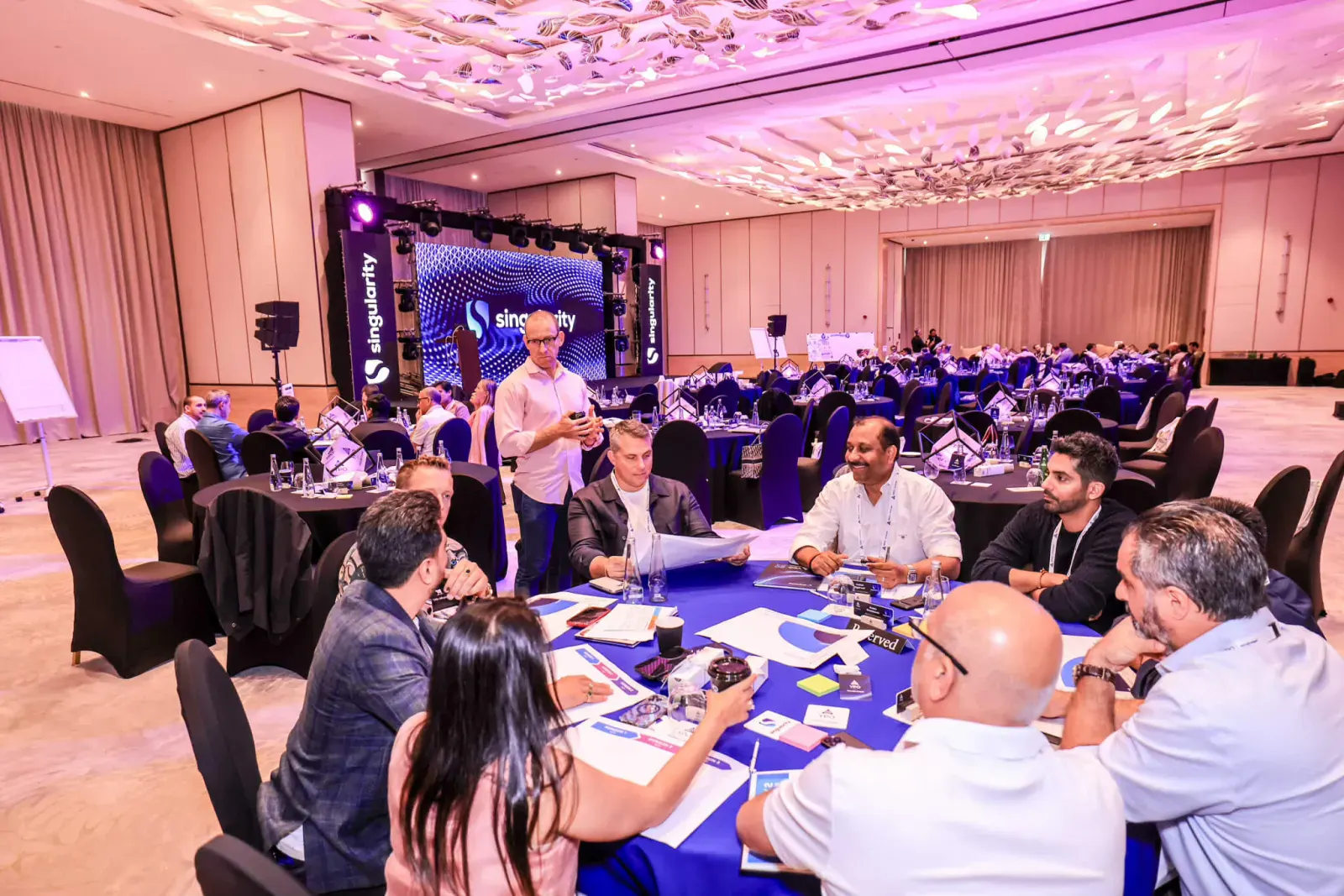
A full day in person: live demos of every tool, troubleshooting, best-practice patterns, and analysts teaching each other what was working for them. This was the "Teach" step running at full scale across the team.
The honest measure of an AI program is whether people are actually using the tools afterward. If next Monday looks the same as last Monday, the program didn't work. In this case, both daily use and overall use went up significantly in the four months after the workshop.
The audit captured how analysts were actually spending their time before we started, across seven focus areas. Four months in, the mix had shifted: meetings, deskwork, and admin all came down, and analysts spent more of their time on strategic and narrative work. Value-add activities went from 35% of total time to 48%, a 13-point shift.
| Focus Area | % of Time (Before) | What It Looked Like |
|---|---|---|
| Deskwork | 25% | Manually searching internal and external sources; reading and distilling; manually validating and referencing. |
| Meetings | 23% | Scheduling, follow-ups, agendas, pre-reads, minute-taking. |
| Admin & Other | 20% | Email, travel, expenses, HR tooling, RFP creation, line management, internal initiatives. |
| Analysis | 12% | Excel analysis of desk research; triangulation; forecast models from existing templates. |
| Governance Prep | 10% | Objection handling, governance decks, stakeholder management and education. |
| Strategic Thinking | 9% | Higher-order narrative and decision work, the part the team actually wanted to be doing more of. |
| Narrative & Storytelling | 7–32% | Building narratives, decks, executive summaries. Range reflects current versus target spread. |
The audit produced a short list of problems we could address this quarter using tools that already exist, rather than a roadmap for someone to build something later.
We picked four off-the-shelf models with complementary strengths and matched each pain point to a primary tool plus a fallback. The company's licensed tools (AlphaSense, GiGi, Jules) layered in for the phases where governance or data access required it.
Question-led prompting, accepts multimodal input, uses several LLMs on the backend. Best for source-grounded research where the citations need to hold up to scrutiny.
Up-to-date internet data, includes source links, accepts large inputs, supports multimodal, exportable. Best for fast-moving competitive intelligence.
Internet access, data analysis, multi-language. The default workhorse, and the model most analysts open first each morning.
Better at sentiment, stronger ethical reasoning, higher prompt-token limit. Best for narrative drafting and executive summaries.
"The playbook is fantastic and sets us miles ahead of the rest of the org."
Portfolio Strategy HeadUSA
Every engagement starts the same way: a workflow audit, a time-capture exercise, and a short list of pain points we can address with tools that already exist. Then we get into the room with your team.